Cabinet Painting vs. Refinishing: Which Upgrade Is Best for Your Kitchen?
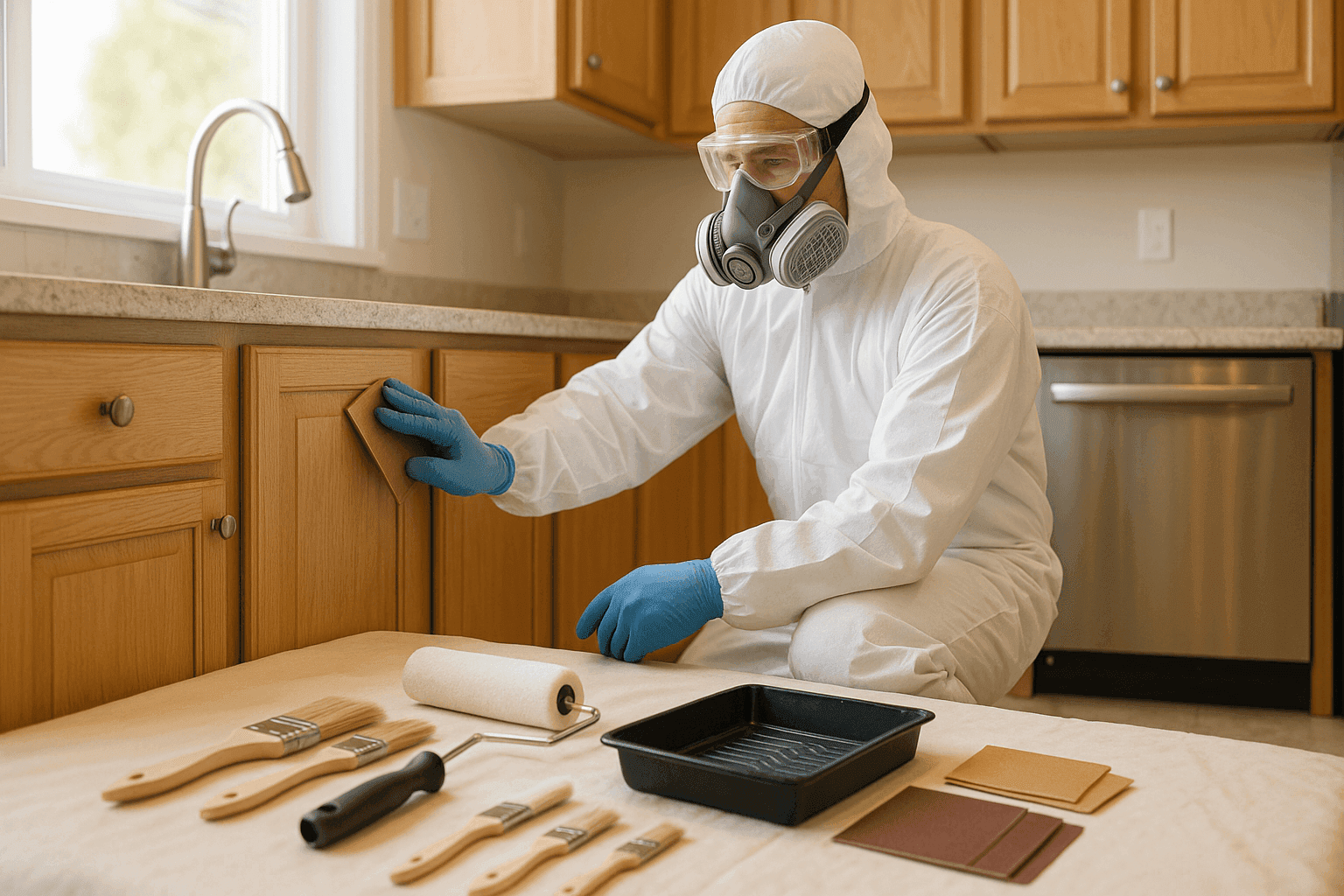
Ever stare at your kitchen cabinets and wonder if a fresh look would change everything? You’re not alone. Kitchen cabinets are a focal point, and the right upgrade — painting or refinishing — can breathe new life into your entire space. But which option actually fits your kitchen, your budget, and your style?
At Brandon's Painting, we’ve helped hundreds of homeowners and businesses navigate this decision. This guide breaks down both paths, so you can make the best choice for your kitchen — and know how to explain your goals to the painting professional you choose.
What’s the Real Difference Between Cabinet Painting and Refinishing?
Let’s clear up the confusion first. Painting and refinishing sound similar. But they’re as different as a raincoat and an umbrella — both offer protection, but work best in different situations.
Cabinet Painting
- What it is: Applying a fresh coat of paint to the exterior surfaces of your cabinets.
- What it changes: The color and finish (matte, satin, gloss) of your cabinets.
- Best for: Cabinets in good structural shape, but with outdated or worn-out color.
Cabinet painting works on a variety of materials — solid wood, MDF, and even laminate (with proper preparation). Eco-friendly paint options are widely available, offering low-VOC and odorless upgrades that are safer for families and pets.
Cabinet Refinishing
- What it is: Stripping the old finish, sanding, and either staining or resealing the natural wood.
- What it changes: The underlying tone, bringing out or altering the wood grain’s appearance.
- Best for: Solid wood cabinets with beautiful grain, or when you want a more natural look.
Refinishing is like polishing an old coin — it reveals and protects what’s already there, rather than covering it up.
Assessing Your Cabinets: Condition First, Always 🛠️
Before you decide, look closely at what you’re working with. Think of your cabinets like a house’s foundation — if it’s shaky, no coat of paint will fix it.
- Material: Solid wood can be painted or refinished. MDF and laminate are best for painting only.
- Damage: Deep scratches, water stains, or warping? Refinishing might not hide these — repairs may be needed first.
- Age: Cabinets installed before 1978 may have lead paint. Safety comes before style (see checklist below).
- Hardware: Old handles and hinges can be swapped for a quick style boost, but check if they’re compatible with your cabinet’s design.
Quick Safety Checklist: Lead Paint, Fumes, and More
- If your home was built before 1978, test for lead paint before sanding or stripping. The EPA provides guidelines for safe handling.
- Always ventilate the work area. Open windows, use fans, and wear a mask rated for paint fumes.
- Eco-friendly paints are available. Ask for low- or zero-VOC options to reduce odors and health risks.
- Keep pets and kids out of the workspace until everything is dry and cured.
Style and Color: What’s Possible?
The style of your kitchen should echo your personal taste — not just today, but for years to come. Here’s how each option matches up:
- Painting: Opens the door to endless colors. Want a bold navy, crisp white, or two-tone look? Painting delivers.
- Refinishing: Enhances or darkens natural wood tones. If you dream of rich cherry, walnut, or a weathered gray, refinishing is your path.
Trend tip: Neutral colors and natural finishes tend to boost resale value, according to the National Association of Realtors.
Pros and Cons: Durability, Cost, and Timeline
Cabinet Painting
Pros:
- Most affordable way to transform cabinets
- Works on wood, MDF, and laminate
- Fast turnaround (usually 3–7 days)
- Wide choice of colors and sheens
Cons:
- Can chip or scratch if not applied professionally
- May require surface prep or repairs for best results
- Hides natural wood grain
Cabinet Refinishing
Pros:
- Preserves and enhances real wood
- Durable, long-lasting finish (when sealed properly)
- Custom stains and tones available
Cons:
- More labor-intensive (7–14 days)
- Only works on solid wood
- Won’t hide deep damage or fill in cracks
Both options: Professional prep and sealing are key for long-lasting beauty. Skimping on these is like skipping primer before painting a fence — the finish just won’t last.
When to Replace Instead of Painting or Refinishing
Sometimes, no amount of paint or polish will do the trick. Replacement may be the best investment if:
- Cabinets are falling apart, warped, or have severe water damage.
- The layout no longer meets your needs.
- You want to completely overhaul the kitchen design, not just the look.
A professional can help you weigh these options honestly. Don’t be shy about asking for a no-pressure assessment.
DIY vs. Call a Pro: What’s Worth Your Time?
Rolling up your sleeves can be rewarding, but cabinet upgrades aren’t always a weekend project. Here’s what to consider:
- DIY: Fine for small jobs and if you’re comfortable with sanding, priming, and painting. Remember, surface prep is everything. Rushed jobs show.
- Hiring a pro: Best for large kitchens, intricate designs, or if you want a factory-smooth finish. Professionals have the right tools, ventilation, and safety know-how — especially if lead paint is suspected.
What a Painting Pro Does on Arrival
- Assessment: Checks cabinet material, layout, and hardware.
- Prep: Removes doors and hardware, labels everything, and sets up dust barriers.
- Surface treatment: Sanding, filling, and priming as needed.
- Application: Uses spray, brush, or roller painting techniques for a flawless finish.
- Cleanup: Reinstalls hardware and doors, then inspects for quality.
A professional’s workflow is like a well-rehearsed orchestra — every step matters, and the results sing.
Maintenance Tips for Long-Lasting Results 🧽
- Wipe spills immediately to prevent stains.
- Use gentle cleaners — skip anything abrasive.
- Touch up chips or scratches quickly to avoid spreading.
- Keep humidity in check to prevent wood movement or paint peeling.
- Inspect hardware regularly and tighten loose screws.
Costs & Time Factors: What to Expect
- Painting: Fastest route — most kitchens are done in a week. Cost depends on size, number of cabinets, and paint choice.
- Refinishing: Takes longer, especially if stripping old finishes. Cost is higher if repairs or custom stains are needed.
- Repairs: Expect extra time and cost for fixing damaged wood, replacing panels, or hardware upgrades.
Remember, cutting corners on prep or materials never pays off in the long run.
When It’s an Emergency: Act Fast
- Peeling paint: Especially on cabinets near sinks or stoves, can signal moisture problems.
- Musty smells: May mean hidden water damage.
- Sticky drawers or doors: Could be a sign of swelling or warping.
If you spot these, pause before painting or refinishing. Address the root problem first. Sometimes, power washing, drywall repair, or even professional surface sealing are needed before a cosmetic upgrade.
FAQ: Your Cabinet Upgrade Questions Answered
Can I paint over laminate cabinets?
Yes, but prep is crucial. The surface must be cleaned, scuffed, and primed with a bonding primer for paint to stick.
Is cabinet painting safe in older homes?
If your cabinets or walls pre-date 1978, test for lead paint first. Follow EPA safety guidelines or hire a painter certified in lead-safe practices.
Will painting or refinishing affect my home’s resale value?
Both can raise your kitchen’s appeal. Neutral, high-quality finishes tend to attract buyers.
How long before I can use my kitchen again?
Most painted cabinets are dry to the touch in 24 hours but need several days to fully cure. Refinishing may take longer due to drying and sealing stages.
Local & Seasonal Considerations 🚪
- Humidity: High moisture slows drying times. If possible, plan upgrades when the weather’s mild.
- Ventilation: Colder months may limit your ability to open windows. Ask about odorless, low-VOC paints to keep your space livable.
- Specialty services: In areas with lots of sun, UV-resistant paints or sealers help cabinets last longer.
Final Thoughts: Choose Your Upgrade with Confidence
Cabinet painting and refinishing each have their place in kitchen upgrades. The right choice depends on your cabinet’s material, condition, and the look you want to achieve. If you’re feeling unsure, don’t be afraid to reach out to a professional for advice. A quick conversation now can save you time, money, and headaches later.
Call Brandon's Painting now — or reach us anytime at 855-785-5673 .