How to Prep Any Surface for a Flawless Paint Finish: Step-by-Step Guide
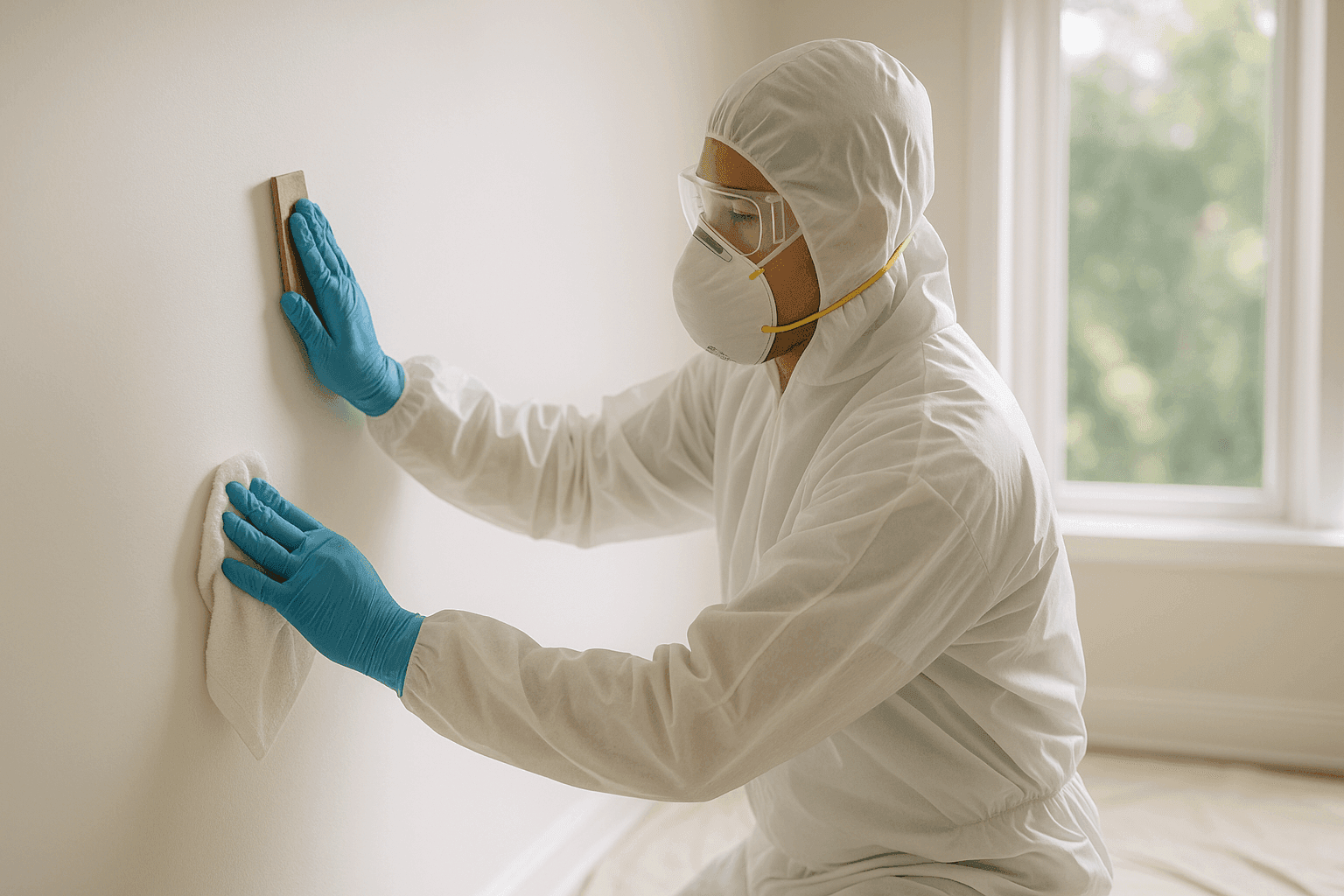
Is there anything more disappointing than peeling paint? All that work—gone in a few months or a single bad season. Whether you’re painting your living room walls, refinishing cabinets, or breathing new life into your commercial space, the secret to a lasting, beautiful finish isn’t just the paint. It’s the prep.
At Brandon's Painting, we’ve seen it all: cracking surfaces, stubborn stains, and jobs gone sideways because of skipped steps. Want your next painting project to look sharp and last? Let’s walk through how to prep any surface the right way.
Why Surface Prep Matters: The Foundation of Every Great Paint Job 🏗️
Think of painting like baking bread. If your dough isn’t right, no amount of fancy toppings will save it. Prep is the dough. It’s what makes paint stick—smoothly, evenly, and for years. Done right, you get:
- Longevity: Paint that resists peeling, bubbling, and cracking.
- Durability: Better resistance to scuffs, weather, and daily wear.
- Finish Quality: No streaks, bumps, or stains bleeding through.
Skipping prep is a fast track to frustration—and expensive touchups.
Assessing and Diagnosing Surface Issues
Before you grab a brush, take a good look at what you’re working with. Every surface tells a story.
What to Look For
- Cracks and Holes: Common on drywall, plaster, wood trim, and concrete.
- Stains: Water, grease, nicotine, or rust stains bleed through paint.
- Old Paint: Peeling, flaking, or glossy patches signal trouble ahead.
- Mold or Mildew: Dark spots or musty odors (especially on exteriors, bathrooms, and basements).
- Lead Paint: If your home or building predates 1978, check the EPA Renovation, Repair and Painting (RRP) Rule for lead safety.
A magnifying glass isn’t required. Just use your eyes, hands, and sometimes a utility knife to scrape at suspect spots. If paint flakes easily, prep is non-negotiable.
Quick Safety Checklist
Safety isn’t just for pros. Even for small jobs—like furniture painting near you or a new accent wall—follow these basics:
- Ventilate: Open windows, use fans, or wear a respirator if fumes are strong.
- Protective Gear: Gloves, safety glasses, and dust masks (especially when sanding or scraping).
- Contain Dust: Drop cloths and plastic sheeting keep dust off your floors and furniture.
- Test for Lead: Use an EPA-approved lead test kit when in doubt.
- Proper Disposal: Follow local codes for old paint, solvents, and dust. The U.S. Environmental Protection Agency (EPA) offers clear guidance.
DIY vs. Call a Pro
Some prep jobs are beginner-friendly. Others—like lead paint removal or major drywall repair—demand more.
When DIY Makes Sense
- Small nail holes or minor scratches
- Simple cleaning and deglossing
- Painting newer surfaces in good shape
When to Call in the Pros
- Lead paint or hazardous materials: Only certified contractors should handle it.
- Extensive cracking, mold, or water damage
- Complex finishes: Cabinets, trim, textured plaster, or custom murals
Brandon's Painting is trained for tricky surfaces, specialty coatings, and safe paint removal. Don’t risk your health—or your home’s value—on guesswork.
What Pros Do On Arrival
Wondering how professionals approach prep? Here’s what happens before a single brush touches the wall.
1. Thorough Inspection
We walk the site—inside and out. Walls, ceilings, trim, exteriors, cabinets, concrete floors, even fences and decks. We look for:
- Loose paint or coatings
- Moisture issues
- Signs of pests or rot
- Substrate movement (like shifting drywall seams)
2. Cleaning and Deglossing
Paint hates dirt. It clings to clean, dull surfaces. Here’s how we get there:
- Washing: Mild detergent and water for most surfaces. TSP (trisodium phosphate) for greasy kitchen walls.
- Deglossing: Liquid sandpaper or sanding blocks to dull shiny finishes on cabinets, trim, or old oil-based paints.
3. Minor Repairs
- Patch holes and cracks: Spackling compound for drywall, wood filler for trim, masonry filler for concrete.
- Caulk gaps: Especially around windows, doors, and trim.
- Replace damaged sections: Rotted wood, crumbling stucco, or broken drywall.
4. Sanding and Smoothing
- Feather edges: Where old paint meets bare surface.
- Smooth repairs: So patched areas blend in perfectly.
- Prep for finish: Fine-grit sandpaper (120-220) for a soft, touchable surface.
5. Priming or Sealing
Not all surfaces need primer, but many do—especially:
- Bare drywall or wood
- Stained, glossy, or patched areas
- Porous masonry or concrete
- Surfaces previously covered in oil-based paints
We match primers to the job: stain-blocking for tannins or smoke, bonding primer for slick cabinets, or moisture-resistant sealer for bathrooms and exteriors.
6. Ensuring Dry, Dust-Free Surfaces
Paint and dust are enemies. Even a little grit can ruin a finish. We:
- Vacuum and tack-cloth surfaces
- Allow repairs and primers to dry thoroughly (per manufacturer’s instructions)
- Monitor humidity (below 50% is best)
- Use dehumidifiers or fans if needed
Cleaning and Deglossing Methods
A dirty surface is like a greasy skillet: paint will slide right off. Clean thoroughly before painting.
- Walls & Ceilings: Dust, then wipe with a damp cloth. Use TSP for heavy buildup.
- Cabinets & Trim: Remove grease with a degreaser; rinse well. Always degloss with sandpaper or liquid deglosser.
- Concrete & Masonry: Power washing removes dirt, moss, and chalky residue.
- Fences, Decks, and Exteriors: Power washing is a must, but let wood dry for at least 24–48 hours before painting.
Deglossing is key for glossy or factory-finished surfaces. Paint sticks best to a dull, slightly rough surface.
Minor Repairs: Filling, Patching, and Caulking
A flawless finish starts with invisible repairs.
- Fill small holes: Spackle for drywall, wood putty for trim.
- Patch larger gaps: For drywall, use mesh tape and joint compound.
- Repair cracks: Acrylic caulk for trim; elastomeric filler for exterior stucco.
- Sand smooth: Wait until repairs are fully dry.
Don’t rush this step. Lumpy patches will show through even the thickest paint.
Sanding and Smoothing Like a Pro
Sanding is what separates amateur from pro results. A good sanding:
- Feathers out patch edges
- Knocks down high spots or old brush marks
- Creates a “tooth” for primer and paint
For big jobs, consider a pole sander or sanding block. Always sand in the direction of the grain on wood. Remove all dust before moving on.
Primers and Sealers: Choosing the Right One 🎨
Primer isn’t just white paint. It’s the handshake between your surface and your topcoat.
When to Use Primer:
- Bare drywall, wood, or masonry
- Surfaces with stains or water damage
- Over dark or bold colors
- Slick finishes (like cabinets or tiles)
Types of Primer:
- Latex primer: Fast-drying, low odor—great for drywall and wood.
- Oil-based primer: Best for heavy stains, knots, and old oil paint.
- Bonding primer: For tile, glass, or glossy cabinets.
- Masonry sealer: For porous concrete or brick.
Check product labels for guidance, or ask us for advice on tricky surfaces.
The Importance of a Dry, Dust-Free Surface
Paint needs a clean, dry home. Even tiny dust particles or damp patches can cause:
- Bubbling or peeling
- Uneven sheen
- Stains bleeding through
Pro tip: Wipe down the surface with a tack cloth just before painting. And always follow the paint manufacturer’s recommended dry times between coats.
Prevention & Maintenance
A well-prepped surface is easier to maintain—and fix later.
- Touch up chips early: Prevents water and dirt from creeping under the paint.
- Clean gently: Use mild soap and soft cloths.
- Inspect seasonally: Especially for exterior surfaces or high-traffic areas.
Annual touch-ups and regular cleaning keep your investment looking fresh.
Costs & Time Factors (No Quotes—Just Ranges)
Prep takes time, but it pays off.
- Small rooms or furniture: 2–4 hours for cleaning, sanding, and patching.
- Full homes or large exteriors: 1–2 days, depending on repairs and drying time.
- Lead paint removal or major repairs: Add significant time (and budget) for safety and disposal.
Rushing prep is like skipping the foundation when building a house. It might look okay at first, but won’t last.
When It’s an Emergency 🚨
Sometimes, waiting isn’t safe:
- Water damage: Bubbling, peeling, or soft spots could signal leaks or mold.
- Cracking stucco or masonry: Can let water in and cause structural issues.
- Lead paint exposure: Flaking or dust in homes built before 1978 is a health risk. Contact an EPA-certified contractor immediately.
If you spot emergency signs, stop painting and address the root problem first.
FAQ: Prepping for a Beautiful Paint Job
How long should I wait after washing or power washing before painting?
For most surfaces, let dry at least 24 hours. Wood, stucco, and concrete may need longer—up to 48 hours—especially in humid weather.
Can I paint over mold or mildew?
No. Clean with a solution of 1 part bleach to 3 parts water, rinse, and let dry. Painting over active mold just traps the problem.
Is primer always needed?
Not always, but it’s a must for bare, stained, glossy, or repaired surfaces. For color changes, primer helps get an even finish.
What if I accidentally find lead paint?
Stop work, avoid disturbing the area, and contact an EPA-certified professional. Lead-safe rules exist to protect your health.
Local & Seasonal Considerations
Paint behaves differently in summer’s heat than in winter’s chill. Here’s what to watch for:
- Humidity: High moisture slows drying and can trap water under paint. Aim for days below 50% humidity.
- Temperature: Most paints work best between 50°F–85°F. Extreme cold or heat can ruin adhesion.
- Rain or frost: Never paint exterior surfaces if rain or freezing temps are expected within 24 hours.
For garage floor painting, deck staining, or stucco work, timing is everything. Plan ahead for the best results—especially in climates with wild swings.
Ready to transform your space with a flawless, lasting finish? Call Brandon's Painting now — or reach us anytime at 855-785-5673 .