The Real Cost of Professional Interior Painting: What Homeowners Should Expect
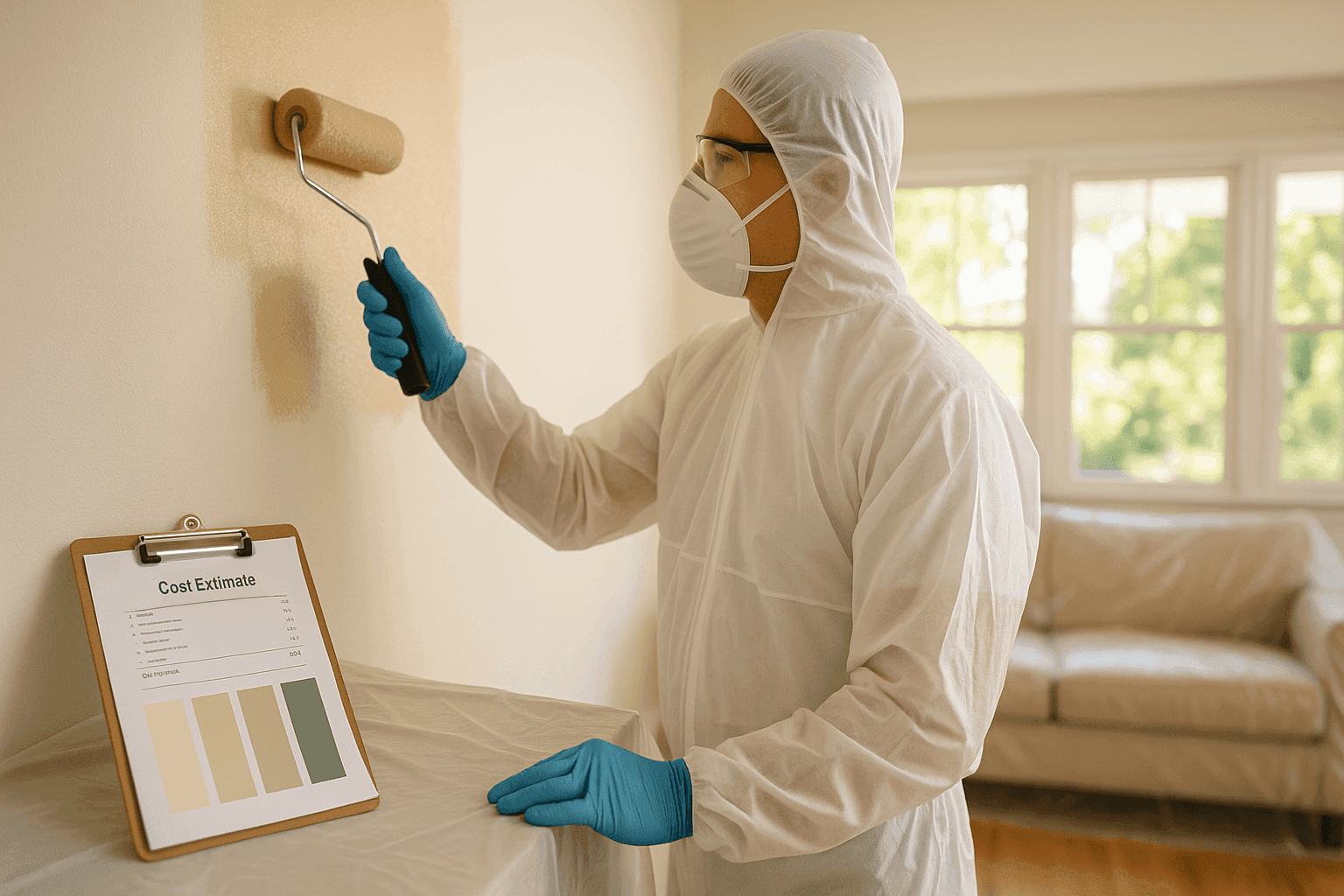
It’s exciting to imagine your home with crisp, freshly painted walls. But the question that comes up first—what’s this really going to cost? No one likes surprise bills or hidden fees, especially when it comes to something as central as your living space.
At Brandon’s Painting, we understand every dollar counts. Whether you’re a homeowner or you manage a property, getting clear answers on painting costs helps you budget, prioritize, and feel confident you’re making a smart investment.
The Real Cost of Professional Painting: Why It Varies So Much
Ever noticed how some estimates for interior painting seem wildly different? One painter quotes you a rate that sounds almost too good to be true. Another gives you a number that makes your jaw drop. It’s not just about the paint on the walls—the price reflects the time, expertise, and care that go into every square foot.
Think of your home like your favorite piece of furniture: what’s underneath matters just as much as the surface. Clean walls, smooth repairs, and careful prep work set the stage for a flawless finish. Skipping these steps can lead to bubbling paint, uneven color, or even health hazards if old lead paint is lurking beneath.
So, what are you really paying for? Let’s break it down.
Safety First: Quick Checklist Before Any Painting Project 🛡️
A responsible painting contractor should always:
- Confirm if your home was built before 1978 (possible lead paint risk per EPA guidelines)
- Use drop cloths and seal off non-work areas
- Wear protective gear, especially during paint removal or sanding
- Ventilate the space (open windows, fans, or air scrubbers)
- Use low-VOC or eco-friendly paint if requested
- Dispose of paint and waste according to local regulations
If you ever feel safety is being overlooked, pause the project and ask questions. Your health comes first.
DIY vs. Calling In a Pro: What’s Best for Your Situation?
Painting a room seems simple—until you’re on your tenth hour, balancing on a ladder, paint splatters everywhere. For some projects, DIY makes sense. For others, calling Brandon’s Painting (or a Furniture Painting near you) saves you time, frustration, and risk.
DIY makes sense if:
- You’re tackling a small room or accent wall
- Walls are in good shape (no cracks or stains)
- You’re comfortable with prep, taping, and cleanup
Call a pro when:
- Ceilings are high or rooms are large
- There’s peeling paint, water damage, or drywall repair needed
- You want specialty finishes, textured surfaces, or precise trim work
- You need lead paint removal, wallpaper removal, or color consultation
Remember: a professional’s experience can mean the difference between a “good enough” result and one that truly transforms your space.
What Pros Do On Arrival: Setting Expectations
When Brandon’s Painting arrives for your project, here’s what you can expect—no guesswork:
- Walkthrough & Assessment: We look for cracks, stains, or repairs needed.
- Surface Preparation: Filling holes, sanding rough spots, and cleaning surfaces.
- Protecting Your Space: Laying down drop cloths, taping edges, covering furniture.
- Priming & Painting: Applying primer (when needed), then painting with quality brushes, rollers, or spray equipment.
- Cleanup & Inspection: Ensuring no drips, splatters, or mess left behind. A final walk-through to confirm satisfaction.
This thorough process is why professional painting often costs more than a quick DIY job—but it also lasts longer and looks better.
What’s Included in a Typical Interior Painting Quote? 🎨
A standard quote from Brandon’s Painting generally covers:
- Labor (skilled painters, project management)
- Surface prep (patching, caulking, light repairs)
- Priming (if needed for color change or surface type)
- Paint and materials (quality brands, brushes, tape, drop cloths)
- Cleanup and disposal
What’s not always included?
- Major drywall repairs or water damage restoration
- Lead paint removal (requires licensed pros and special procedures)
- Specialty finishes (textured walls, murals, faux finishes)
- Color consultations (sometimes offered as an add-on)
- Cabinet, trim, or ceiling painting (often priced separately)
- Furniture Painting or Eco-Friendly Paint Options (may incur extra material costs)
Always ask for a detailed breakdown so you know exactly where your money is going.
Common Add-Ons and Upgrades
Some homeowners want more than a basic coat of paint. Here are popular add-ons (and why they matter):
- Accent Walls: A bold color or finish on one wall adds drama but requires extra masking and careful edges.
- Ceiling Painting: Often overlooked, but freshens up the whole room—especially if ceilings are dingy or stained.
- Trim and Molding: Pristine, sharp lines take time and a steady hand.
- Cabinet Refinishing or Cabinet Painting: Transforms outdated kitchens or bathrooms.
- Textured Finishes: From subtle textures to dramatic stucco effects.
- Epoxy Floor Coating or Concrete Staining: Durable, practical, and looks sharp in garages or basements.
- Lead Paint Removal: Critical for homes built before 1978, following EPA Renovation, Repair and Painting Program (RRP) rules.
- Color Consultation: Get advice from our seasoned color experts if you’re stuck choosing shades.
These extras can add to your project cost, but they’re what turn a paint job into a full transformation.
Average Price Ranges: What to Expect Room by Room
Prices for professional interior painting vary across the country and by project scope. Here’s what most homeowners can expect (excluding tax and major repairs):
- Single Room (10x12 ft): $400–$900 (walls only, standard ceiling height)
- Living Room (large/open): $800–$2,200
- Ceilings: $1–$2.50 per sq ft, depending on texture and height
- Trim and Doors: $1–$4 per linear foot, more for detailed moldings
- Accent Walls: $150–$400 per wall, depending on size and finish
- Cabinet Painting: $60–$120 per door/drawer front
- Wallpaper Removal: $1–$3 per sq ft (based on layers and adhesive)
- Surface Prep (patching, minor repairs): $50–$250 per room, if needed
Commercial or industrial spaces, specialty coatings, or mural painting will be priced by project after a thorough walkthrough.
What Affects the Final Price? Key Factors to Consider 🏠
No two painting projects are identical. Here’s what can cause quotes to rise or fall:
- Room Size: Bigger spaces require more time, labor, and materials.
- Ceiling Height: Anything above standard 8–9 ft means ladders or scaffolding.
- Surface Condition: Holes, water stains, peeling paint, or textured surfaces all add prep time.
- Paint Quality: Premium, eco-friendly, or specialty paints cost more but last longer.
- Number of Colors: Multiple shades mean more taping, cutting-in, and cleanup.
- Access & Furniture: If rooms are packed or hard to reach, add time for moving and protection.
- Urgency: Rush jobs or overnight work may carry a premium.
- Seasonal Demand: Prices can spike before holidays, after storms, or during peak moving months.
How to Compare Painting Estimates: What Really Matters
Getting three or more estimates is smart. But don’t just look at the bottom line—dig into what’s included, who’s doing the work, and how issues will be handled. Ask:
- Are the painters licensed and insured? (This protects you from liability.)
- How many coats of paint are included?
- Is surface prep listed as a separate line item?
- What brand and type of paint will be used?
- Is there a cost for extra touch-ups or repairs?
- How will your furniture and floors be protected?
- Is cleanup included?
A higher upfront cost for careful prep, high-quality paint, and insured professionals almost always saves money long-term. Cheap jobs can mean peeling paint, stains, or damage down the road that’s expensive to fix.
When It’s an Emergency: Fast Turnarounds and Unexpected Damage
Sometimes, painting can’t wait. Maybe you’ve got water damage after a storm, or graffiti appeared overnight. Or perhaps you’re prepping a property for sale on a deadline. Emergency painting often comes at a premium, but a reputable crew will explain why:
- Overtime or weekend labor
- Immediate material procurement
- Extra steps for drying and curing in a hurry
Always ask for a clear timeline and cost breakdown before work starts. Quick action can save bigger repair bills later, but only if done right.
Local and Seasonal Cost Fluctuations 🕒
Paint prices and labor rates shift just like the weather. In many regions, rates surge before major holidays or the start of the school year. After severe weather, demand for painting and repairs (especially for exterior or ceiling painting) can cause a temporary spike.
You might save money by scheduling during slower months—typically late winter or early spring, before the rush. And keep in mind: some paints cure best in certain temperatures and humidity, so timing may affect both price and quality.
FAQ: Homeowners’ Most Common Painting Cost Questions
How can I tell if a quote is fair?
Compare at least three detailed estimates. Look for specifics: number of coats, prep work, brand of paint, and proof of insurance. Don’t be afraid to ask for references or photos of recent projects.
Does it cost more for eco-friendly or specialty paints?
Yes, typically. Low-VOC or specialty finishes (like antimicrobial or textured coatings) cost more to buy and apply—but can be healthier and longer-lasting.
Can I save money by helping with prep or moving furniture?
Sometimes, yes. Let your painter know if you’ll clear rooms beforehand or remove pictures and hardware. Just make sure you’re comfortable with the work and understand what’s expected.
What about touch-ups or problems after the job is done?
Discuss expectations before work begins. Many reputable contractors will include a walk-through at the end and address minor issues, but it’s best to confirm this in writing.
Practical Tips for a Smooth, Cost-Effective Painting Experience
- Schedule ahead when possible to avoid peak rates.
- Ask for a written, itemized quote.
- Clarify every add-on or specialty finish before signing.
- Choose quality paint—cheaper brands need more coats and fade faster.
- Work with licensed, insured professionals. This isn’t just about cost—it’s about your peace of mind and safety.
For more details on safety and contractor requirements, check the EPA’s Renovation, Repair, and Painting Program and your state’s licensing board.
Ready to see how an experienced, insured team can transform your space—without surprises? Whether it’s Furniture Painting near you, accent walls, or a full interior refresh, we’re here to help.
Call Brandon's Painting now — or reach us anytime at 855-785-5673 .