Exterior Painting Maintenance: How to Protect Your Home Year-Round
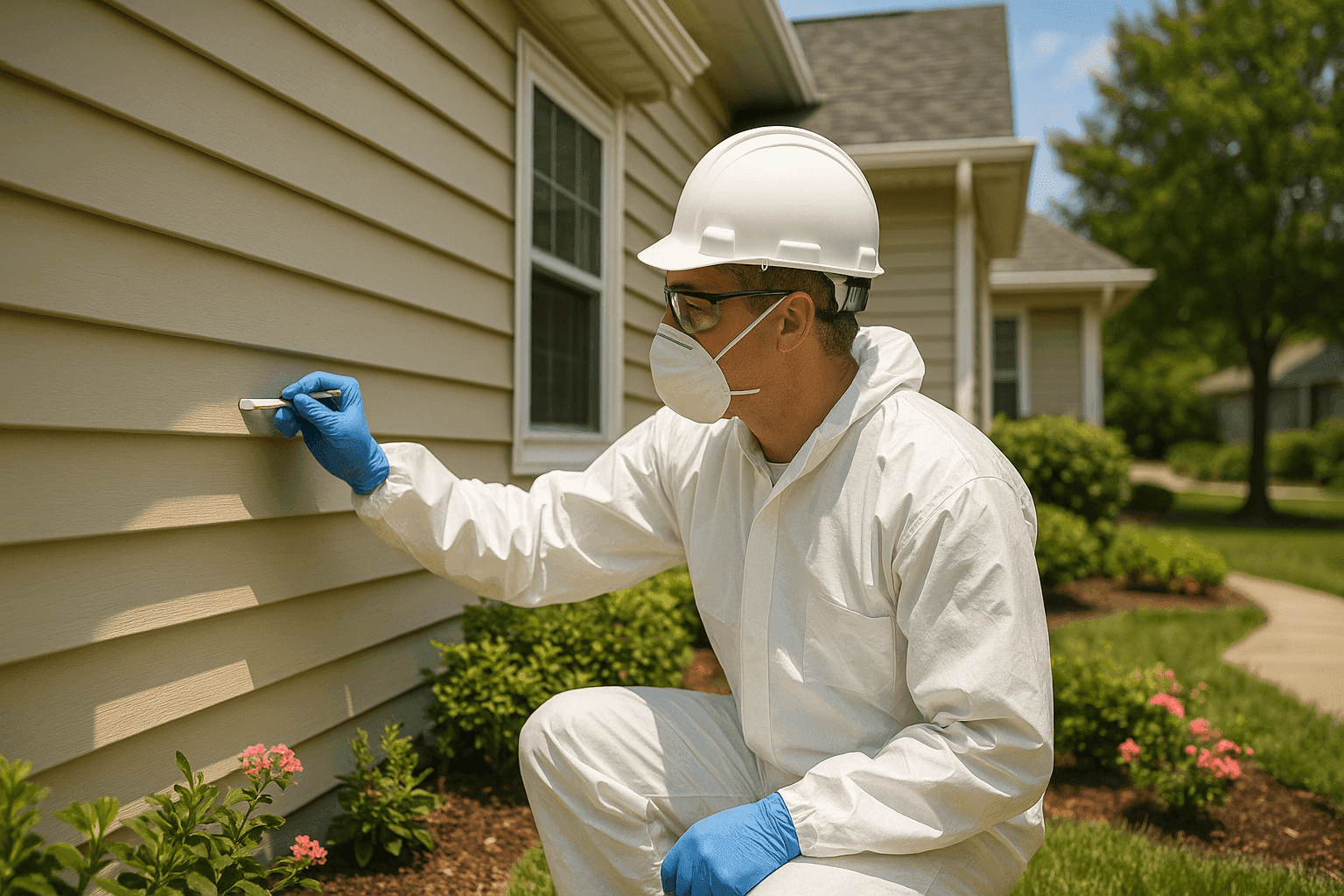
Keeping your home’s exterior paint in good shape isn’t just about looks. It’s about defense. Weather, dirt, and time will try to wear down even the best paint job. But with a few smart habits, you can outsmart the elements and keep your property shining through every season.
At Brandon’s Painting, we see firsthand what happens when paint is left on its own. Peeling, mildew, faded colors—the works. The good news? Most of these headaches are preventable. Let’s walk through what every property owner should know about exterior painting maintenance.
Why Maintenance Matters: It’s More Than Curb Appeal
Imagine your home’s paint as a raincoat. It keeps wood, stucco, and brick safe from rain, snow, and sunburn. But a raincoat full of holes? Not much use. When paint breaks down, moisture sneaks in. That means rotting wood, crumbling stucco, rusty metal, and higher repair bills down the road.
Routine care extends the lifespan of your paint job—saving money and protecting the structure underneath. According to the Painting Contractors Association (PCA) and U.S. Environmental Protection Agency (EPA), regular maintenance can double or even triple the life of your exterior finish. For businesses, a tidy exterior also says you care about safety and professionalism.
Seasonal Inspection Checklist 🗓️
When’s the best time to check your paint? Every season brings its own challenges. Here’s what to look for—and when.
Spring Cleaning
- Check for dirt, mildew, or algae—especially on north-facing walls.
- Look for peeling, bubbling, or cracking paint. These are early warning signs.
- Inspect trim, doors, and shutters for chipped or faded spots.
- Examine caulking and sealant around windows and doors.
Post-Storm Checks
- After heavy wind or hail, walk around the property and look for dents, chips, or missing paint.
- Check for water stains or streaks under eaves and gutters.
- Watch for new cracks on stucco or brick.
Winter Prep
- Clear leaves and debris from around the foundation.
- Inspect for moisture buildup, especially near the bottom of walls.
- Make sure gutters and downspouts are clear to prevent water damage.
Consistency is key. Even a quick walk-around every few months can catch problems early.
Power Washing and Cleaning Best Practices
Dirt and mildew act like sandpaper over time, grinding away at your paint. A gentle cleaning once or twice a year keeps the surface protected and bright.
- Use a low-pressure setting (under 1500 PSI) to avoid damaging paint or forcing water behind siding.
- For mildew, a mix of water and mild detergent or white vinegar works wonders. Avoid harsh chemicals that can strip finishes or harm landscaping.
- Always start from the top and work down. Rinse thoroughly.
- Wear protective eyewear and gloves. The CDC recommends proper ventilation and safety when working with cleaning agents.
Some surfaces need extra care:
- Wood: Always test a small spot first to avoid splintering.
- Stucco: Use a wider spray pattern and keep the nozzle farther away.
- Brick: Avoid blasting mortar joints; gentle brushing may be safer.
Spotting Early Signs: Peeling, Mildew & Damage
The earlier you catch a problem, the easier (and cheaper) it is to fix. Here’s what to watch for:
- Peeling or Flaking: Paint pulling away from the surface signals trapped moisture or poor adhesion.
- Faded or Chalking: A powdery feel means UV damage is taking its toll.
- Blisters/Bubbles: Often caused by painting in direct sunlight or over damp surfaces.
- Mildew/Algae: Dark spots, especially in shady or damp areas.
If you spot these, act fast. Don’t wait for small issues to become big repairs.
Touch-Up and Sealing Advice
Touching up is like patching a small tear in your favorite jacket. Do it early, and you avoid a bigger fix later.
- Scrape off loose paint gently with a putty knife.
- Sand the area lightly so new paint sticks.
- Spot-prime bare spots, especially on wood and metal.
- Use leftover paint if you have it—just stir well.
- Seal joints and gaps with high-quality exterior caulk.
For decks, fences, and other wood surfaces, reapply stain or sealer every 2–4 years, depending on sun and weather exposure.
When to Call a Professional
Some jobs are perfect for a Saturday DIY. Others need experienced hands and specialty tools. Here’s when it pays to call Brandon’s Painting:
- Large areas of peeling or blistering paint.
- Suspected lead paint (pre-1978 homes—reference EPA Lead Renovation, Repair and Painting Rule).
- Persistent mildew or mold that doesn’t wash off.
- Multiple surfaces (wood, stucco, brick) needing care at once.
- Tall or hard-to-reach areas that require ladders or scaffolding.
A pro brings more than just a brush. We bring years of know-how, safety gear, and access to the best paints and materials.
Material-Specific Tips
Every surface tells a different story. Here’s how to keep them happy:
- Wood: Needs regular sealing. Look for swelling, soft spots, or sun-faded boards.
- Stucco: Watch for hairline cracks—seal them before water gets in.
- Brick: Check mortar joints and seal with breathable, water-repellent coatings.
- Metal: Remove rust before painting. Use rust-inhibiting primers.
Following product labels and industry guidelines—like those from the PCA—makes a big difference in long-term results.
Handling Emergency Repairs After Storms 🌪️
When wind, hail, or heavy rain strikes, don’t panic. Here’s what to do:
- Stay Safe: Wait until conditions are clear. Look for hazards like downed power lines or slippery surfaces.
- Document Damage: Take clear photos for insurance if needed.
- Stop Water Intrusion: Temporarily cover exposed wood or siding with plastic sheeting.
- Remove Debris: Clear away branches, leaves, or mud from painted surfaces.
- Call for Help: Large areas of missing paint or underlying damage need prompt attention to prevent rot or mold.
Quick attention to storm damage keeps costs down and preserves your curb appeal.
Simple Fixes That Save Money
- Re-caulk windows and doors every few years to keep moisture out.
- Keep shrubs and vines trimmed away from walls.
- Repair small chips and cracks before they spread.
- Clean gutters and downspouts each season.
These small steps add up to years of extra paint life.
Frequently Asked Questions
How often should I repaint my home’s exterior?
Most homes need new paint every 5–10 years, depending on material, climate, and care. Wood may need attention sooner; brick or stucco can last longer with good prep and maintenance.
Is power washing safe for all surfaces?
Not always. High pressure can damage wood, stucco, and mortar. Always use the lowest effective setting and test a small area first.
What if my home has old lead paint?
Do not sand or scrape suspected lead paint yourself. The EPA recommends hiring certified professionals for safe removal.
Can I use leftover interior paint for outdoor touch-ups?
No. Exterior paint is designed to withstand weather and UV. Always use paint labeled for outdoor use.
Local and Seasonal Considerations
Every region brings its own painting challenges. In rainy climates, mildew and algae are constant threats. Hot, sunny areas mean faster fading and more frequent touch-ups. Cold winters can cause expansion and contraction cracks, especially on wood siding.
No matter where you live, timing matters. Aim for mild, dry days for painting and repairs—ideally above 50°F and out of direct, harsh sunlight. Check the forecast before you start.
Ready for a Fresh Start?
Keeping your paint in top shape protects your biggest investment. Whether you need a quick touch-up, a full repaint, or just honest advice, Brandon’s Painting is here to help.
Call Brandon's Painting now — or reach us anytime at 855-785-5673 .