Lead Paint Removal Safety: What Every Property Owner Needs to Know
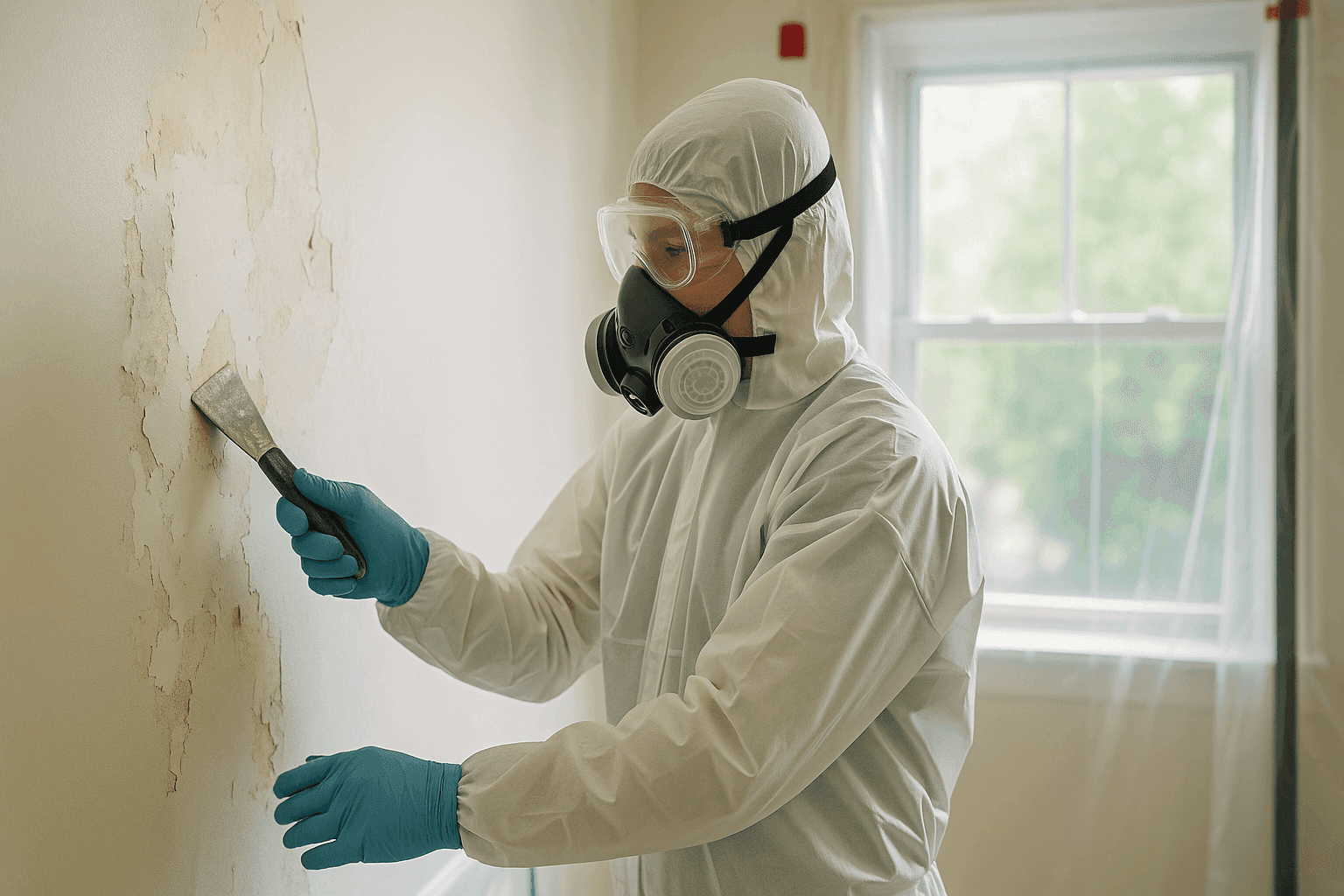
Lead paint is like an invisible storm cloud hanging over many older homes and commercial spaces. You may not see it, but if disturbed, it can rain down health hazards for families, tenants, and workers. At Brandon's Painting, we know how urgent and daunting lead paint removal can feel, especially when the safety of loved ones or employees is on the line.
If you’re a property owner, knowing what steps to take—and when to bring in certified help—can make all the difference between a safe, beautiful space and years of hidden risk.
Spotting the Danger: How to Identify Potential Lead Hazards 🧐
The first challenge? Knowing if you have a problem at all. Lead paint was used in homes and buildings built before 1978. That’s the year the U.S. banned residential use, but it still lingers in countless properties—on walls, trim, cabinets, and even outdoor structures.
Common signs you might have lead paint:
- Your building was built before 1978 (especially before 1960)
- Peeling, chipping, or chalking paint on windows, doors, or trim
- A sweet, metallic smell if old paint is sanded or heated
- Layers of paint revealed during renovations
Testing for lead:
Professional inspectors use EPA-recognized tests like XRF (x-ray fluorescence) analyzers or lab swabs. Home test kits exist, but accuracy varies. For certainty and compliance, always opt for certified testing when dealing with painting or Furniture Painting near you.
The Real Risks: Health Hazards of Lead Exposure
Lead exposure isn’t just an issue for kids—though they are the most vulnerable. Even low levels can cause serious, lasting health problems.
For children:
- Developmental delays
- Learning difficulties
- Behavioral issues
For adults:
- High blood pressure
- Nervous system damage
- Muscle and joint pain
- Increased risk of miscarriage or birth defects
No level of lead exposure is considered safe. The Centers for Disease Control and Prevention (CDC) and the Environmental Protection Agency (EPA) both stress the importance of strict controls during any lead paint removal.
Safety Standards: Government and Industry Rules That Matter
Lead paint removal is heavily regulated for good reason. The EPA’s Renovation, Repair and Painting (RRP) Rule requires all contractors working in pre-1978 homes or child-occupied facilities to be certified and follow safe work practices.
Key guidelines:
- Only trained, certified professionals should disturb or remove lead paint.
- Warning signs must be posted near work areas.
- Strict containment and cleanup practices are required to prevent dust spread.
- Waste disposal follows local hazardous materials rules.
For more details, refer directly to EPA and OSHA (Occupational Safety and Health Administration) standards—these are the gold standard for safety in painting and lead hazard work.
Quick Safety Checklist 🧤
If you suspect lead in your home or commercial space, use this quick list to stay safe:
- Don’t sand, scrape, or burn old paint without testing for lead.
- Keep children and pregnant women away from suspect areas.
- Seal off work areas with plastic sheeting and tape.
- Use proper PPE: NIOSH-approved respirators, gloves, goggles, and disposable coveralls.
- Never eat, drink, or smoke in work areas.
- Clean up thoroughly with HEPA vacuums and wet-wiping.
- Dispose of waste per local hazardous material rules.
Following these steps can mean the difference between a routine project and a long-term health issue.
DIY vs. Call a Pro: What’s Really at Stake?
Lead paint removal isn’t like regular painting or even paint removal. It’s like handling a sleeping dragon—disturbing it the wrong way can unleash hidden dangers.
DIY risks:
- Creating toxic dust that lingers for years
- Accidental exposure to family, pets, or workers
- Legal liability if tenants or employees are harmed
When to call a pro:
- If your building was built before 1978
- If you see chipping, peeling, or chalking paint
- For any large-scale renovation, especially involving walls, ceilings, windows, or doors
- When you want peace of mind and full legal compliance
Certified professionals, like those at Brandon’s Painting, follow strict protocols to keep everyone safe and your property compliant.
What Pros Do On Arrival: Certified Process, Step by Step 🛡️
Wondering what actually happens when you call in a certified painting team for lead paint removal? Here’s a behind-the-scenes look:
-
Inspection & Testing:
Certified inspectors determine where lead is present and how much. -
Containment:
Work areas are sealed off with plastic barriers. Air systems may be shut down to prevent dust spread. -
Personal Protective Equipment (PPE):
Workers wear specialized respirators, gloves, goggles, and disposable suits. -
Safe Removal:
Using wet methods, HEPA vacuums, and specialized tools, pros carefully remove or stabilize lead paint. No dry sanding or open-flame work allowed. -
Cleanup:
Every surface is cleaned and checked for residual dust with wipes and HEPA vacuums. -
Clearance Testing:
Final tests confirm the area is free of hazardous lead dust before anyone moves back in.
All these steps follow EPA, OSHA, and local guidelines—no shortcuts.
Prevention & Maintenance: Keeping Lead Risks Away
You can’t always change when your building was built, but you can take action to prevent future problems.
Prevention tips:
- Regularly inspect painted surfaces, especially high-traffic areas like windows, doors, and trim.
- Address water leaks promptly to prevent peeling paint.
- Clean floors, windowsills, and surfaces often with wet methods (not dry sweeping).
- Repaint with lead-free, eco-friendly paint options to seal in old layers.
- Educate tenants, employees, or family members about the risks.
A little vigilance goes a long way in keeping everyone safe—especially in multi-unit or high-use spaces.
Costs & Time Factors: What to Expect (No Surprises)
Lead paint removal isn’t a one-size-fits-all job. Costs and timelines depend on:
- The size and age of your property
- How much lead paint is present
- Access (multi-story buildings, tight corners, etc.)
- Local regulations and disposal costs
Generally, removal projects take longer and cost more than standard painting.
This is due to safety measures, certification, specialized gear, and thorough clean-up. But consider it an investment—a safer, healthier property is worth every penny.
When It’s an Emergency: Storms, Accidental Disturbance, and Immediate Steps 🚨
Sometimes lead paint hazards appear with no warning. A storm tears siding off. Renovations accidentally chip away an old layer. What then?
Emergency steps:
- Clear the area immediately, especially children and pets.
- Avoid touching or sweeping up debris—this spreads dust.
- Close off the area until certified professionals can assess.
- Call Brandon’s Painting or another certified lead removal team right away.
Document what happened (photos, times, actions taken) for health and insurance records.
FAQ: What Every Owner Asks (and Needs to Know)
Q: Can I just paint over lead paint?
A: Sometimes. Called “encapsulation,” this is only safe if the original surface is in good condition and will remain undisturbed. It’s not a fix for peeling, chipping, or damaged paint.
Q: Is lead paint only a problem inside?
A: No. Exterior paint, fences, decks, and even soil near old painted surfaces can be contaminated.
Q: What should I ask when hiring a contractor?
A: Ask if they’re EPA RRP-certified, what their containment and cleanup procedures are, and if they provide clearance testing after work.
Q: How do I protect my family or tenants during removal?
A: Relocate people (especially children and pregnant women) during work, and ensure proper cleanup and clearance before re-entry.
Local & Seasonal Considerations: When and Where It Matters Most 🌦️
In wetter months, peeling and flaking paint can worsen—especially in older homes. Warm weather means more renovations and higher risk of accidental disturbance. If your property is in a region with harsh winters, freeze-thaw cycles can crack old paint and expose hidden hazards.
For commercial properties or multi-unit buildings, always notify tenants before work begins and follow all local disclosure laws.
Remember: Lead paint can be anywhere—on walls, furniture, metal, wood, stucco, and concrete. Whether you’re looking for Cabinet Refinishing, Interior Painting, or Garage Floor Painting, always check for lead if your space predates 1978.
When it comes to lead paint, safety isn’t optional. Whether you own a cherished family home, manage an apartment complex, or run a bustling business, protecting people comes first. If you have questions or need a certified team for painting or lead paint removal, Brandon’s Painting is ready to help.
Call Brandon's Painting now — or reach us anytime at 855-785-5673 .